
Top Casing Machines for 2026 What Buyers Need to Know?
As the demand for efficient packaging solutions grows, Casing Machines have become vital for various industries. According to a recent report by MarketsandMarkets, the global packaging machinery market is projected to reach USD 50 billion by 2026, with casing machines making significant contributions. This growth highlights the need for buyers to understand the current trends and technologies shaping this market.
Casing machines streamline production processes and enhance product safety. They are essential in industries like food and beverage, pharmaceuticals, and electronics. The increasing focus on sustainable packaging practices pushes manufacturers to adopt advanced casing technologies. However, not all machines are created equal. Buyers must evaluate factors such as automation level, ease of operation, and maintenance requirements.
Understanding the unique requirements of your business is crucial. The wrong choice could lead to inefficiencies and increased costs. Therefore, researching different models and manufacturers is essential for informed decision-making. An investment in the right casing machine can significantly improve productivity and ensure long-term benefits.
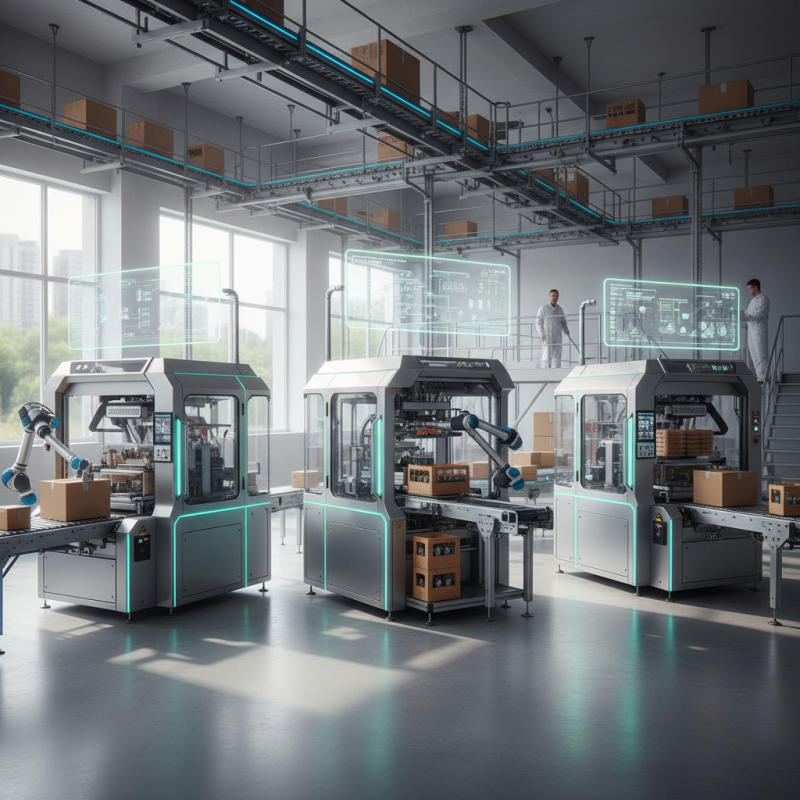
Key Features to Consider When Choosing Casing Machines
When selecting a casing machine, several key features are critical for buyers in 2026. Speed and efficiency are paramount. Recent industry reports indicate that a well-optimized machine can boost packaging speed by up to 30%. This efficiency not only reduces labor costs but also increases overall productivity. Evaluating the production rate and turnaround time is essential in making an informed choice.
Durability is another crucial aspect to consider. Machines built from high-quality materials tend to last longer, reducing maintenance costs significantly. A 2023 study showed that the initial investment in robust equipment pays off over time. Additionally, user-friendly interfaces can streamline operation. Machines that minimize the learning curve enhance productivity further. Buyers should look for systems that offer intuitive designs.
Flexibility also holds importance in modern packaging needs. The ability to adjust settings for various products can enhance operational versatility. According to industry standards, 40% of businesses seek machines that seamlessly handle different casing types. Solutions that offer quick changeovers can significantly impact production flow. Balancing these features often requires careful analysis and reflection on specific operational needs.
| Feature | Description | Typical Range | Importance Level |
|---|---|---|---|
| Casing Diameter Range | Minimum and maximum diameter the machine can handle | 12mm - 50mm | High |
| Speed (Units per Minute) | Number of casings filled and sealed per minute | 150 - 400 | High |
| Automation Level | Degree of machine automation: manual, semi, or fully automatic | Manual to Fully Automatic | High |
| Filling Accuracy | Precision in filling weight or volume per casing | ±0.5% to ±1.5% | High |
| Material Compatibility | Types of casing materials supported (collagen, cellulose, fibrous) | All Common Types | Medium |
| Power Consumption | Average energy use per hour of operation | 2 to 6 kW | Medium |
| Machine Footprint | Physical size (length x width x height in meters) | 1.5m x 1.2m x 1.6m | Medium |
| Cleaning & Maintenance | Ease of cleaning and frequency of required maintenance | Daily cleaning, Monthly maintenance | High |
| Integrated Quality Control | Capability to detect casing defects or filling errors automatically | Optional to Standard | Medium |
| Operator Interface | Type of UI: touchscreen, buttons, remote access | Touchscreen with remote monitoring | Medium |
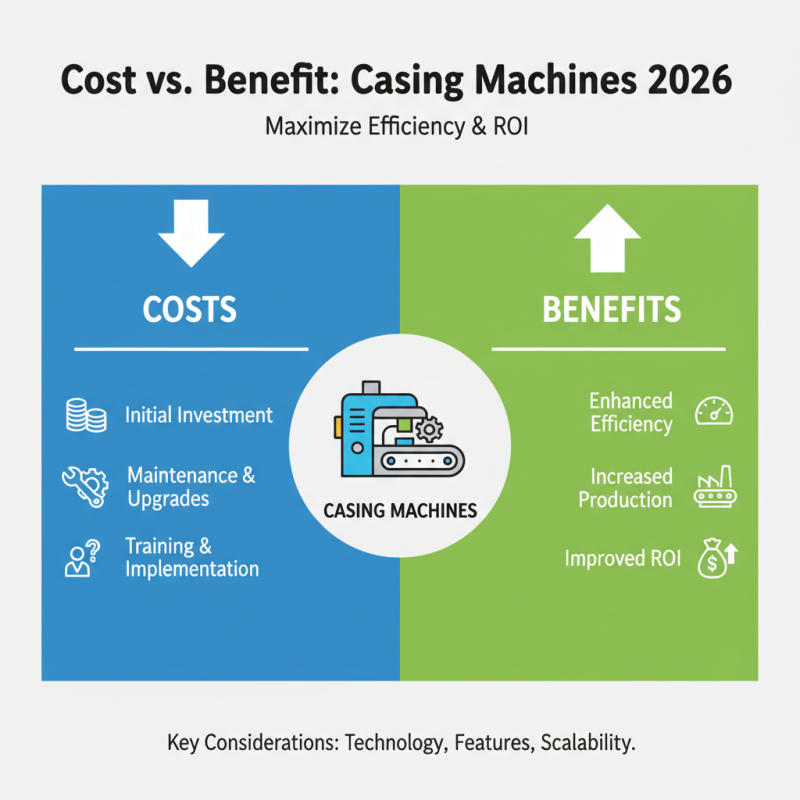
Related Posts
-
Unlocking Efficiency with the Best Casing Machines and Their Impact on Production Metrics
-

Unlocking Efficiency: A Step-by-Step Guide to Operating Casing Machines
-

Understanding the Challenges Faced by Exterior Door Machines in Modern Manufacturing
-

Exploring Industry Solutions with Door Lite Cut Out Machine What It Brings to Your Production Line
-
How to Choose the Best Door Manufacturing Equipment for Your Production Needs
-

Unlocking Efficiency: The Ultimate Guide to Door Manufacturing Equipment for Modern Factories