Best High Rise Elevator Solutions for Efficient Building Access?
In the world of modern architecture, efficient building access is crucial. High rise buildings, towering over city skylines, demand innovative solutions for transportation within. High Rise Elevators play a significant role in optimizing vertical movement, ensuring seamless access for residents and visitors alike.
The complexity of high rise elevator systems often leads to questions about their efficiency and reliability. Not all systems are created equal. An effective high rise elevator solution must address speed, capacity, and safety. In a busy urban environment, where time is precious, a sluggish elevator can cause frustration for users.
Exploring various high rise elevator solutions reveals a spectrum of options. Each has its strengths and weaknesses. For instance, some elevators prioritize speed, while others focus on energy efficiency. Finding the right balance is essential. Additionally, savvy building managers must consider maintenance and operational costs. Reliable high rise elevators enhance user experience but require careful planning and execution.
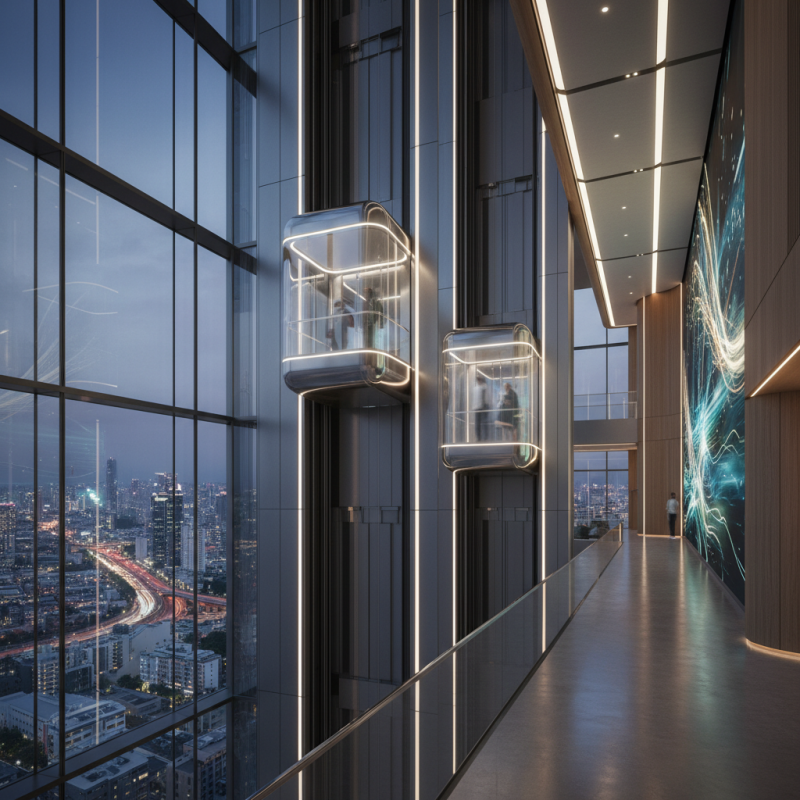
High Rise Elevator Market Overview: Growth and Trends in 2023
The high-rise elevator market is experiencing notable growth in 2023. This surge is driven by urbanization and the demand for efficient building access. As cities expand vertically, the need for advanced elevator solutions becomes critical. Innovations in technology enhance the performance of these systems, but challenges remain. For instance, increased usage often leads to wear and tear, requiring regular maintenance.
Vertical transportation systems are evolving with a focus on energy efficiency. New designs offer quieter operations and faster travel times. However, the implementation of these technologies can face budget constraints. Many building managers struggle to balance modern upgrades with financial realities. This tension highlights the need for strategic planning in building access solutions.
Safety and reliability are paramount in elevator design. Regular inspections prevent accidents and ensure peak performance. While manufacturers strive for excellence, human factors can introduce risks. Operator training often falls short, leading to mishaps. Addressing these gaps is crucial for the continued growth of the high-rise elevator market. Balancing innovation and practicality will shape the future of vertical transport.
Key Features of Efficient High Rise Elevator Systems: A Comparative Analysis
When evaluating efficient high-rise elevator systems, certain key features stand out. First, speed plays a pivotal role. Recent studies indicate that modern high-speed elevators can reach speeds of up to 20 feet per second. This means quicker transport between floors, essential in skyscrapers where wait times can impact user experience. However, the implementation of such high speeds can often lead to increased energy consumption. Designing systems that balance speed with energy efficiency remains a challenge.
Another critical aspect is the elevator's capacity and its smart technology adaptations. A 2022 report highlights that elevators integrated with AI can optimize travel routes based on real-time demand. This innovation reduces wait times and enhances the overall efficiency of the building. Yet, there are potential downsides. High traffic can lead to bottlenecks, and misconfigured algorithms may inadvertently worsen congestion during peak hours. It raises questions about reliance on technology versus traditional systems.
Furthermore, the design of elevator shafts must accommodate safety features, ensuring users feel secure during transit. Features like backup power systems and emergency communication tools are paramount. Compliance with safety regulations is mandatory, yet discrepancies often arise in implementation. Building managers must remain vigilant to prevent issues that could compromise safety and efficiency. Thus, the quest for perfect high-rise elevator solutions is ongoing, urging continuous innovation and reflection within the industry.
Energy Efficiency in Elevators: Reducing Operational Costs by 30%
Energy efficiency in elevators is a crucial factor for modern buildings. Reports indicate that energy-efficient elevator solutions can reduce operational costs by up to 30%. This reduction is significant for building managers looking to lower expenses. Traditional elevators consume large amounts of energy, particularly during peak hours.
New technologies like regenerative drives and LED lighting are gaining traction. Regenerative drives can capture energy during descent and feed it back into the building's electrical system. This innovation not only saves energy but also enhances the lifespan of elevator components. LED lighting consumes less power and offers longer operational life compared to traditional bulbs.
Building designs often neglect the importance of elevator systems in environmental strategies. Integrating energy-efficient elevators should be a priority. Assessing the total operating costs over an elevator's lifespan can reveal hidden savings. Regular maintenance also plays a role in ensuring optimal performance and energy savings.
Safety Standards and Innovations in High Rise Elevator Design
High-rise buildings present unique challenges for elevator design. Ensuring safety is paramount in these structures. Engineers focus on innovations that enhance safety standards. For example, modern elevators utilize advanced braking systems that automatically engage during emergencies. This technology reduces risks and increases trust in high-rise transportation.
One tip for building managers is to conduct regular elevator inspections. Scheduled maintenance is crucial for identifying potential issues. Faulty components can lead to safety hazards. Keeping detailed records of inspections can help identify trends and address them promptly.
Another consideration is utilizing smart technology. IoT (Internet of Things) solutions offer real-time monitoring of elevator performance. This data can optimize operational efficiency and prevent malfunctions. However, reliance on technology comes with risks. Cybersecurity threats must be addressed to protect users. Overall, balancing innovation with safety standards continues to be essential in high-rise elevator design.
Future Trends: Smart Elevators and IoT Integration in Skyscrapers
Elevators are vital for skyscrapers, allowing efficient movement in vertical spaces. The rise of smart elevators is changing how we think about building access. These systems leverage IoT technology to enhance user experience and efficiency. They analyze usage patterns and adapt accordingly, optimizing wait times and energy consumption.
Smart elevators can communicate with other building systems. This integration allows for seamless building management. For example, data from smart sensors can predict maintenance needs, minimizing downtime. However, this reliance on technology raises concerns. What happens in a power outage? Are we too dependent on these systems?
The future of elevators holds exciting possibilities. Imagine an elevator that adjusts its route based on your preferences. Yet, with these advancements come questions about privacy and data handling. As we embrace IoT, we must also reflect on potential vulnerabilities. Balancing innovation and security will be essential for building trust in these technologies.