How to Choose the Right Door and Jamb for Your Project?
Choosing the right door and jamb for your project can seem daunting. Industry expert John Smith, a veteran in the door and jamb sector, states, "The perfect fit is not just about aesthetics; it's about durability and practicality." When selecting, consider material, style, and function.
Doors and jambs play a pivotal role in your space. They enhance security and add character. An ill-suited choice can lead to future inconveniences. A mismatch in size or material can create problems. You might face drafts or noise issues, undermining your space's comfort.
Investing time in research is crucial. Look for reputable brands and gather feedback. Awareness of different designs helps you make informed decisions. Ultimately, the right door and jamb elevate your project, both functionally and visually. Remember, each small detail matters significantly.
Choosing the Right Door Material: Wood, Steel, or Fiberglass?
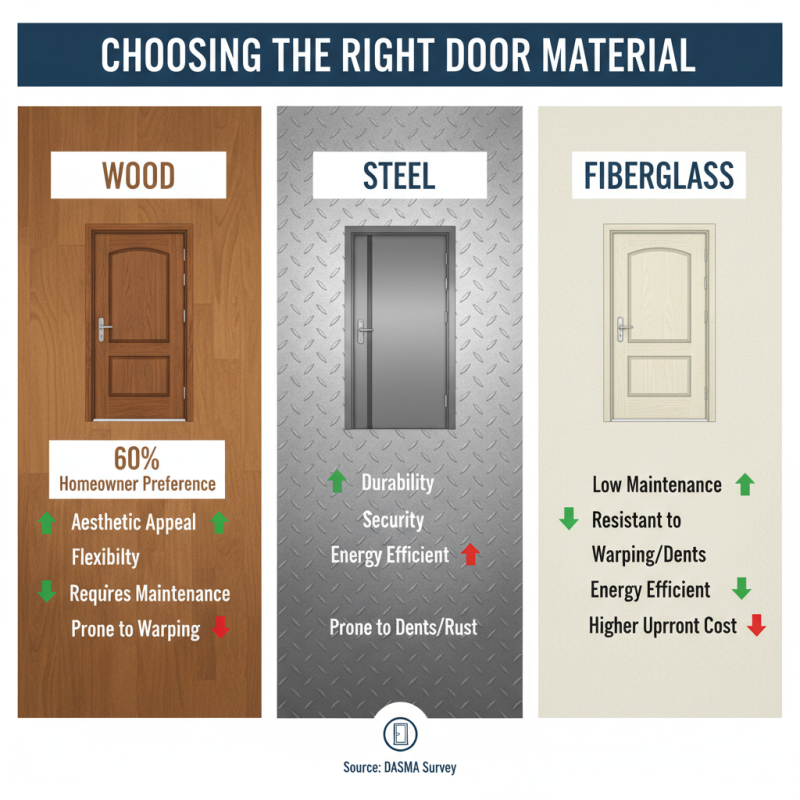
When selecting a door, material choice is crucial. Wood, steel, and fiberglass each offer distinct advantages. According to a recent survey by the Door and Access Systems Manufacturers Association, 60% of homeowners prefer wood for its aesthetic appeal and flexibility. However, wood requires maintenance and can be prone to warping.
Steel doors provide exceptional security and insulation. They are less susceptible to damage from the elements. Data shows that steel doors can reduce energy costs by up to 15% due to their superior thermal efficiency. However, they may lack the warmth that wood offers.
Fiberglass doors, on the other hand, combine durability with a wood-like appearance. They offer excellent resistance to moisture and temperature fluctuations. This makes them suitable for various climates. Their maintenance requirements are minimal, appealing to busy homeowners.
Tips:
Consider your climate before choosing. Wood may expand and contract in extreme temperatures. Steel often rusts in humid conditions. Fiberglass offers a balanced solution.
Evaluate your priorities—security, aesthetics, or maintenance? Each material has trade-offs. Weighing these factors honestly can guide your decision. Prioritize what matters most for your project.
Measuring Door Openings: Precision and Industry Standards Explained
Measuring door openings is a crucial step in any construction project. Precision matters. Even a small error can lead to significant issues later. Start by determining the height and width of the opening. Use a reliable level and measuring tape. Check for square corners as well. A miscalculation can affect the door's functionality.
Industry standards must be followed. Door frames typically require specific measurements to ensure a proper fit. Existing structures may present challenges. Walls might not be plumb or straight. You may need to account for these irregularities. Using shims can help adjust the jamb. This will ensure the door swings correctly without binding.
Consider using a second set of eyes. Mistakes can happen easily, especially when measuring alone. Having someone assist you provides a fresh perspective. They can help confirm that measurements are exact. Always double-check your work. It’s better to be meticulous now than to face setbacks later. Every detail counts in achieving a successful installation.
Door Sizes and Jamb Measurements
This bar chart illustrates standard door widths and heights along with typical jamb measurements. Understanding these dimensions is crucial for selecting the right door and jamb for your project, ensuring a proper fit and aesthetic appeal.
Energy Efficiency Ratings: Assessing Door and Jamb Insulation Properties
Choosing the right door and jamb can significantly impact your building's energy efficiency. Insulation properties play a vital role in maintaining comfortable indoor temperatures. When assessing energy efficiency ratings, look for the U-factor. This indicates the amount of heat transfer through the door and jamb. A lower U-factor means better insulation and energy savings over time.
Additionally, consider the materials used. Solid wood, fiberglass, and steel doors each offer different insulation properties. Wood provides decent insulation but can expand and contract in extreme weather. Steel is durable but may conduct temperature. Fiberglass doors often provide superior insulation without the downsides of wood. It’s essential to reflect on these properties based on your climate.
Accurate installation also matters. Even the best door can fail if not properly installed. Air leaks can occur, leading to wasted energy. Evaluate seals and weather stripping. Small gaps can lead to significant energy loss. Take time to choose wisely, as the right door and jamb enhance efficiency and contribute to overall comfort.
Aesthetic Considerations: Matching Doors and Jambs to Design Themes
Choosing the right door and jamb can significantly enhance your space. It's essential to match them with your design theme for a cohesive look. Consider modern, rustic, or classic styles. Each theme demands specific materials and finishes. For instance, a sleek metal door suits industrial designs, while a wooden one complements a farmhouse aesthetic.
Textures and colors also play a crucial role. A modern design often requires smooth finishes and bold colors. In contrast, softer colors and natural textures work well for a cozy atmosphere. Think about how the door handles and jamb finishes can create harmony. Small details can define the overall impact of your space.
It’s important to reflect on your choices. Sometimes, what seems like a good match might not resonate in the final look. Don't hesitate to revisit your decisions. Use samples and visualize how they connect with your existing decor. Your project deserves thoughtful consideration. A mismatch can detract from your vision and leave you dissatisfied.