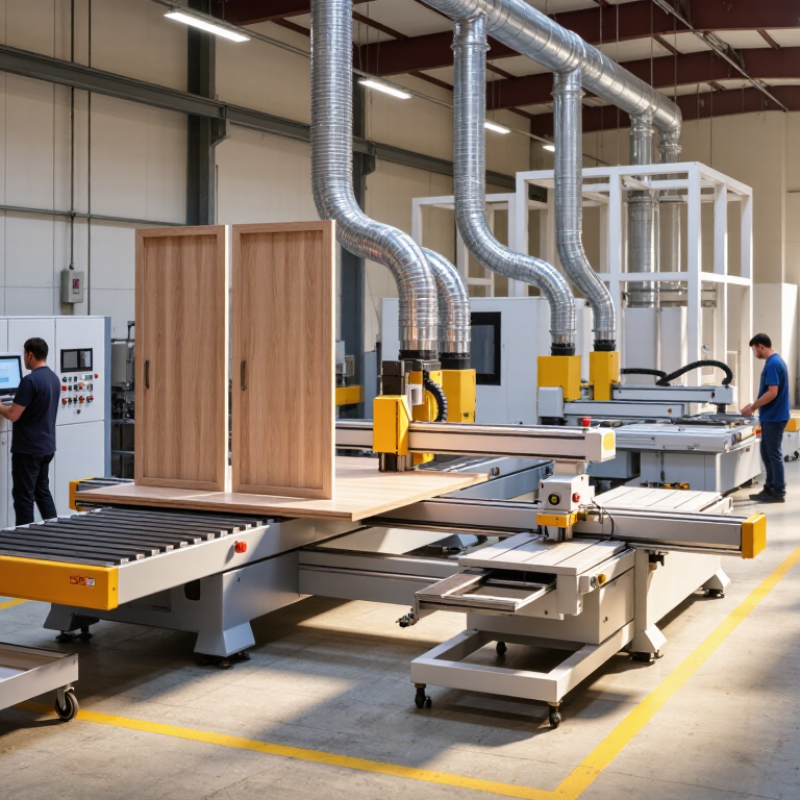
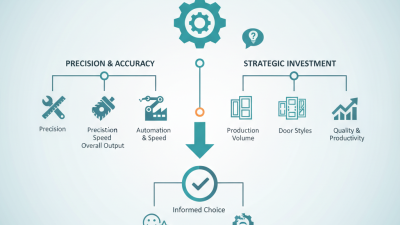
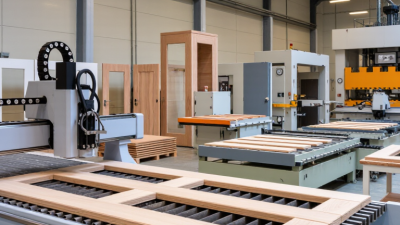
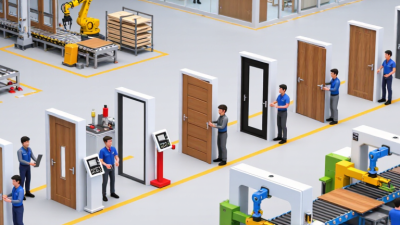
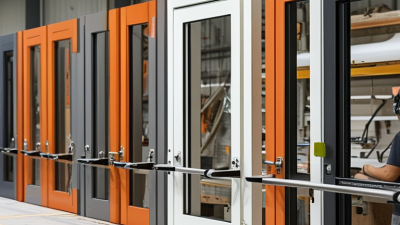
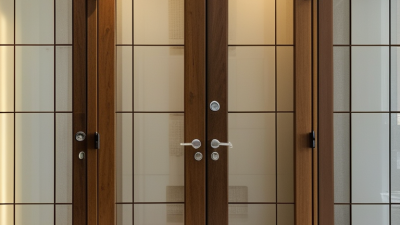
Choosing Door Shop Equipment in 2026 means matching machines to the doors you actually build, not buying the largest setup available. A panel saw, CNC router, edge bander, and reliable dust extraction system can shape a shop’s daily workflow. But the right combination depends on order volume, door styles, available floor space, and staff experience.
Start with the workpiece. Measure typical door sizes, note material thicknesses, and consider whether you produce custom profiles or repeat standard designs. A machine that handles a wide panel may still struggle with a delicate finish or frequent changeovers. Small details matter. Check loading access, tool-change time, guarding, controls, and the space needed to service equipment. Ask suppliers for demonstrations using materials similar to yours, and confirm parts availability, training, and maintenance support.
Budget for more than the purchase price. Installation, electrical requirements, extraction, tooling, and operator training can change the real cost. Dust collection deserves particular attention; fine debris settles on surfaces and can affect both housekeeping and finishing work. No setup is perfect. A high-capacity machine may sit idle if production planning is weak, while a cheaper option can become costly when repairs interrupt orders. This guide explores practical ways to compare Door Shop Equipment in 2026, evaluate trade-offs, and build a setup that can grow with your shop. A second opinion helps. So does an honest look at what your current process cannot do well.
Understanding Door Shop Equipment and Its Main Categories
Door shop equipment falls into several practical categories: material handling, cutting and machining, assembly, and finishing. Handling tools include carts, lifting aids, and racks for moving heavy door blanks without damaging their edges. Cutting equipment sizes panels and prepares stiles and rails. Machines for routing, mortising, and hinge or lock preparation create accurate openings. Small errors can become visible after installation.
Assembly equipment includes clamps, benches, and alignment fixtures that hold components square while adhesive cures. Finishing tools range from sanders to spray and drying systems; dust extraction helps keep surfaces cleaner before coating. Safety equipment and measuring tools support every stage. Categories overlap.
That matters.
When evaluating equipment in 2026, match its capacity to the doors you actually make: check maximum width, thickness, and repeatability. Measure the floor space, including room to feed and unload long panels. Ask how settings are adjusted between jobs, and whether routine maintenance is manageable for your team. A fast machine may still slow production if setup is awkward. I would also compare extraction needs and power requirements before purchase, not after delivery. Specifications are useful, but shop conditions can expose gaps. A careful workflow review often reveals that one well-chosen fixture is more valuable than another large machine.
Assessing Production Needs, Materials, and Workshop Capacity
How to Choose Door Shop Equipment in 2026?
Assessing Production Needs, Materials, and Workshop Capacity
Start with the doors you actually make, not the largest machine in a catalogue. Track weekly order volume, door dimensions, and the steps that slow production. A shop making ten solid-wood doors a week needs different capacity from one assembling many lightweight interior doors. Measure twice. Note where workers wait: after cutting, during sanding, or at finishing. Those pauses reveal more than a headline machine speed. Also allow for custom sizes and occasional rework; real orders rarely follow a perfect pattern.
Match equipment to materials and available space. Solid timber may need stable cutting and precise joinery, while sheet goods call for reliable panel handling and dust collection. Dust matters. Check power supply, extraction routes, loading access, and safe clearance around moving stock before choosing a machine. A compact workshop may gain more from a flexible saw and a well-planned workbench than from equipment that dominates the floor. Calculate operator time, maintenance, and setup changes alongside purchase cost. Still, estimates are estimates; a busy week can expose a plan’s weak spot. Leave some capacity for growth, but avoid paying for speed your orders cannot use.
Comparing Equipment Types, Features, and Automation Levels
A door shop’s equipment choice starts with the work mix: solid-core or lightweight doors, custom sizes, and daily volume. A panel saw handles repeatable sizing; a CNC router adds flexible cutouts and profiles; an edge-bander improves consistency on exposed edges. Check practical details, too: dust extraction, tool-change time, service access, and whether operators can load heavy panels safely. Small details matter.
Automation is not one switch. Manual stations offer lower entry costs and suit varied, low-volume orders, but rely more on operator skill. Semi-automatic machines can speed up repetitive cutting or edging while keeping changeovers manageable. Integrated lines connect machining, handling, and tracking, yet require dependable workflows and trained staff. The International Federation of Robotics reported 541,302 industrial robots installed worldwide in 2023; that signals broad automation growth, not a guarantee that a robot fits every door shop.
For a real comparison, record cycle time, setup time, scrap, and labor hours across representative jobs. Deloitte’s 2024 Smart Manufacturing survey found 86% of surveyed executives expected smart manufacturing to be a primary competitiveness driver within five years. Treat that as an industry direction, not a purchase target. A glossy automation plan can still miss the awkward custom order. It happens. Ask vendors to demonstrate your own door sizes and materials, then compare usable output, maintenance needs, and operator training—not headline speed alone.
Evaluating Safety, Energy Use, Maintenance, and Total Cost
How to Choose Door Shop Equipment in 2026?
Choosing door-shop equipment means weighing safety, energy use, maintenance, and total cost—not just purchase price. Check guards, emergency stops, dust collection, and operator access during a real production task. OSHA’s woodworking safety guidance identifies machinery guarding and wood-dust control as important workplace safeguards. A quick showroom demonstration may not reveal awkward loading or cleaning.
Energy use adds up. The U.S. Department of Energy’s Improving Motor and Drive System Performance sourcebook estimates motor-driven systems use about 54% of U.S. manufacturing electricity. Compare equipment power ratings, expected operating hours, and extraction needs. For total cost, include installation, tooling, filters, training, repairs, and downtime. NIST’s Life-Cycle Costing Manual offers a framework for comparing costs over equipment’s useful life. Estimates are imperfect; actual shifts rarely match a tidy spreadsheet.
Tips: Ask operators to test routine setups and clean-downs. Record cycle time, noise, and service access. Price common wear parts before buying, and check how quickly they can be obtained. Keep a maintenance log from day one. A machine that looks efficient can still frustrate the crew.
How to Choose Door Shop Equipment in 2026
Compare energy use alongside safety, maintenance needs, and total cost of ownership.
How to read this chart: Annual energy use is an illustrative planning estimate, calculated from assumed average operating loads and 2,000 operating hours per year. Actual consumption varies with machine configuration, workload, and operating practices; check equipment specifications and measure usage where possible. Before buying, also review guarding and emergency stops, dust-control requirements, preventive-maintenance needs, and total cost—including purchase, installation, energy, repairs, and downtime.
Planning Equipment Selection, Installation, and Future Expansion
How to Choose Door Shop Equipment in 2026?
Planning Equipment Selection, Installation, and Future Expansion
Choose equipment around the door styles, materials, and daily volume your shop actually handles. Map the path from lumber storage to cutting, assembly, sanding, and dispatch. Leave clear space around machines for full-length door components, maintenance access, and safe movement. A compact layout may look efficient on paper, but awkward material handling can slow every shift.
Plan utilities before ordering. Confirm electrical capacity, floor loading, dust collection, compressed-air demand, and delivery access with qualified professionals. The U.S. Department of Energy’s Improving Compressed Air System Performance: A Sourcebook for Industry reports that leaks can waste 20–30% of compressor output. That figure is a useful reminder to size systems carefully and check connections after installation. Expansion needs thought, too: reserve floor space and utility capacity, but avoid paying for equipment you may never use. Forecasts can be wrong.