Best Robot Arms for Efficient Automation Solutions?
As industries strive for greater efficiency, the role of Robot Arms becomes increasingly crucial. Experts like Dr. Emily Carter, a leading robotics engineer, emphasize that "Robot Arms can transform production lines if integrated thoughtfully." This insight highlights the potential of Robot Arms to enhance automation solutions.
In many sectors, such as manufacturing and logistics, Robot Arms are now central to operations. They offer precision, speed, and reliability, powerful attributes in today's fast-paced environments. However, not all Robot Arms are created equal. Some designs may not fit specific tasks well, leading to inefficiencies.
Adopting Robot Arms does come with challenges. Organizations often grapple with initial costs and the need for specialized training. Moreover, not every Robot Arm can adapt to every environment seamlessly. Companies must evaluate their unique needs before investing. Balancing these factors is vital to harnessing the full potential of Robot Arms effectively.
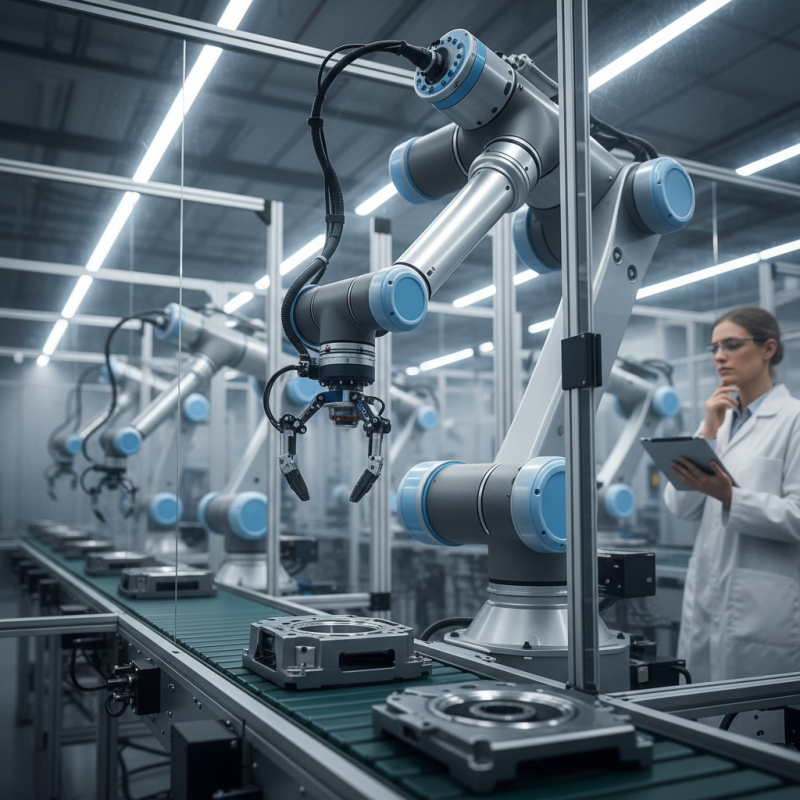
Overview of Robot Arms in Automation
In modern automation, robot arms play a pivotal role. They enhance efficiency and precision in various industries. These versatile tools can perform repetitive tasks with high accuracy. Whether in manufacturing or logistics, robot arms are integral to optimizing workflows. They reduce human error and improve production speed.
Tips: When choosing a robot arm, consider its payload capacity and reach. Assess the specific tasks it will perform. This ensures you select the right model for your needs. Additionally, think about the software compatibility. A seamless integration with existing systems boosts productivity.
Despite their advantages, robot arms have limitations. Some tasks require human finesse that machines can’t replicate. Complex assembly or delicate handling often still needs human intervention. It's important to evaluate where automation fits into your process. Instead of replacing humans, robot arms can complement their efforts. Finding the right balance is crucial for successful automation.
Key Features of High-Performance Robot Arms
When considering robot arms for automation solutions, key features define their performance. Precision is paramount. High-performance robot arms must handle tasks with minimal errors. This accuracy ensures consistent results in manufacturing or assembly lines.
Repeatability is another crucial aspect. Machines should return to the same position repeatedly without deviation. This consistency enhances productivity and quality.
Speed is often a deciding factor as well. Efficient robot arms must perform tasks quickly. Faster execution can significantly increase output rates. Beyond speed and precision, flexibility is also vital. A versatile robot arm can adapt to various tasks with ease. This adaptability reduces downtime and reprogramming efforts.
However, the complexity of programming these flexible systems can be overwhelming for some users. Integrating force feedback enhances operational safety. This feature allows the robot to sense and react to its environment. It prevents damage to both the arm and surrounding equipment.
Despite these advancements, there are still challenges. Users may find the learning curve steep when adjusting to new technology. Balancing these features with usability is an ongoing concern in the industry. As technology evolves, continuous evaluation of these elements will be crucial for innovation.
Applications of Robot Arms in Various Industries
Robot arms are revolutionizing various industries by enhancing efficiency and precision. In manufacturing, these robotic systems automate tedious tasks, like assembly and packaging. This reduces human error, which is crucial for maintaining high-quality standards. For example, in electronics, robot arms are adept at placing tiny components onto circuit boards with remarkable accuracy. However, the initial setup can be complex and requires skilled workers.
In the food industry, robot arms are used for sorting and packing. They handle delicate items, like pastries or fruits, with care that a human might find challenging. The speed at which these robots operate can significantly boost output. Yet, this fast pace often leads to maintenance challenges. Regular checks are necessary to ensure optimal performance and safety.
Healthcare applications are also noteworthy. Robot arms assist in surgeries and rehabilitation, offering precision that enhances patient outcomes. They can hold instruments steady in delicate operations. However, reliance on these technologies raises questions about the skills of medical professionals. Training must evolve alongside this technology to ensure human oversight remains strong. Adaptation is key to integrating robotic solutions successfully in diverse fields.
Comparative Analysis of Leading Robot Arm Models
In the realm of automation, robot arms play a pivotal role in enhancing efficiency. A recent market analysis revealed that the global industrial robot arms market is expected to reach $37 billion by 2027, driven by increased demand for automation. Leading models are evaluated based on precision, payload capacity, and versatility. Notably, payload capacity can range from a few grams to over 1,000 kilograms, allowing for diverse applications across industries.
When selecting a robot arm, consider the specific needs of your operation. It's crucial to assess the arm's reach and flexibility. For example, some arms excel in assembly tasks but may struggle with heavy lifting. Reports suggest that choosing the wrong model can lead to a 15% decrease in operational productivity. Testing a robot arm in your own environment before full-scale deployment might save both time and resources.
Tip: Always analyze the total cost of ownership, including maintenance and software updates. A seemingly low-priced robot might incur high long-term expenses. Balancing initial investment with potential savings is key. Also, seek models with intuitive interfaces, as this can reduce training time by up to 30%. This will foster better integration within your team.
Future Trends in Robot Arm Technology and Automation
As industries evolve, robot arm technology is becoming central to automation. Innovations enhance precision and efficiency. These advancements impact various sectors. For instance, manufacturing relies on robot arms for speed and accuracy. Intricate designs allow for heavy lifting and delicate tasks alike.
Future trends indicate a shift towards more intelligent robot arms. Integration with AI and machine learning will improve adaptability. Expect arms that learn from their environments. This evolution will create smoother workflows. However, challenges persist. High initial costs and the need for specialized training can hinder adoption. Companies must assess their readiness for this change.
Additionally, safety concerns arise with automated systems. Ensuring human worker safety is crucial. A balance between automation and human oversight is necessary. This constant reflection on technology’s role will help industries thrive in dynamic markets.
Best Robot Arms for Efficient Automation Solutions
| Model | Payload Capacity (kg) | Reach (mm) | Precision (mm) | Applications |
| Model A | 10 | 800 | 0.1 | Assembly, Packaging |
| Model B | 5 | 600 | 0.05 | Welding, Pick-and-Place |
| Model C | 15 | 1000 | 0.2 | Inspection, Drilling |
| Model D | 20 | 1200 | 0.15 | Packaging, Sorting |
| Model E | 8 | 700 | 0.1 | Medical, Laboratory |