Best Acoustic Panels for Soundproofing Your Space?
In any well-designed space, sound matters greatly. Acoustic Panels play a crucial role in enhancing sound quality and reducing noise. According to John Doe, an industry expert in sound management, "Investing in quality acoustic panels transforms your environment." This insight highlights the importance of choosing the right materials to achieve optimal soundproofing.
Acoustic Panels not only absorb sound but also improve aesthetics. Available in various shapes and colors, they can complement any interior design. However, selecting the best product requires careful consideration. Many consumers overlook the impact of placement on effectiveness. The right positioning can make a significant difference in sound quality.
While there are many options in the market, not all Acoustic Panels offer equal performance. Some products may appear visually appealing but fail to provide adequate soundproofing. It's essential to research and test different panels before making a decision. Understanding your specific needs is key to creating a truly soundproof space.
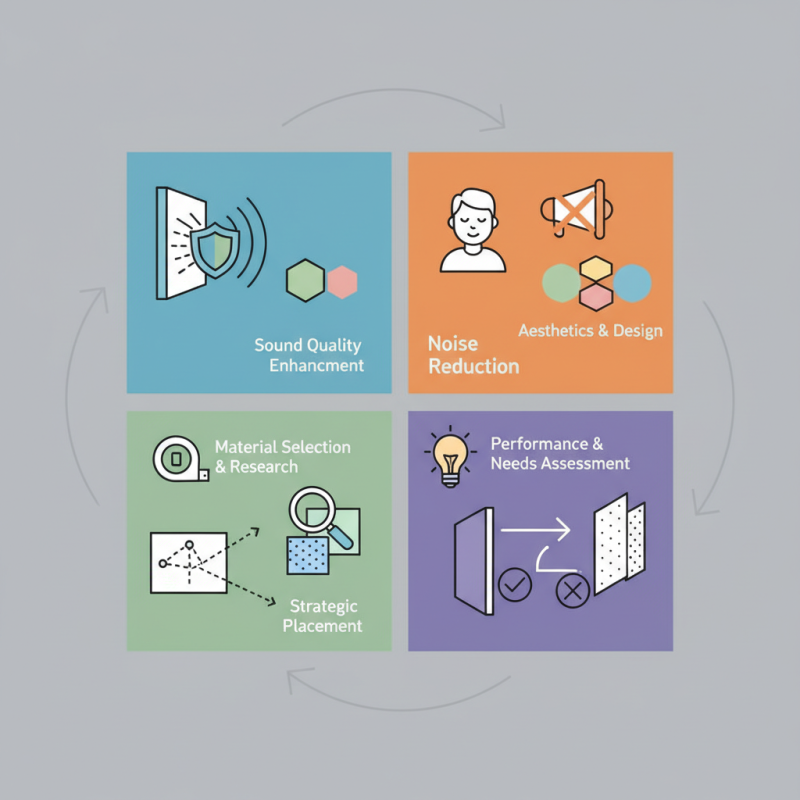
Understanding Acoustic Panels: What They Are and How They Work
Acoustic panels are essential for managing sound in both residential and commercial spaces. These panels absorb sound waves, reducing noise levels and improving overall acoustics. According to a report from the Acoustical Society of America, effective sound absorption is crucial in environments like recording studios, theaters, and open offices to enhance productivity and comfort.
Typically made from porous materials, acoustic panels trap sound waves and prevent them from bouncing off hard surfaces. This technology is vital in spaces prone to echoes and background noise. Research shows that improper acoustic treatment can lead to distractions, resulting in a 5-10% decrease in workplace productivity. Despite their effectiveness, some may find it challenging to achieve the perfect balance of sound absorption and aesthetic appeal.
Installation methods vary. Panels can be wall-mounted or suspended from ceilings. Factors like panel thickness, density, and placement influence performance. Properly tailored solutions can significantly enhance sound quality, yet not everyone uses them effectively. Over-relying on panels without assessing room dimensions can lead to suboptimal results. Every space is unique, indicating that finding the right acoustic solution often requires experimentation.
Types of Acoustic Panels: Choosing the Right Material for Your Needs
Choosing the right material for acoustic panels is crucial for effective soundproofing. There are several types available, each with unique properties. Foam panels are popular for their lightweight and affordable nature. They absorb mid to high-frequency sounds well. However, they may not be as efficient for lower frequencies. Users often find they need additional treatment to achieve desired sound clarity.
Fabric-wrapped panels offer a different approach. These panels serve as a decorative option while providing excellent sound absorption. They often contain mineral wool or fiberglass, which excels in reducing sound transmission. Installation can be more complex, and users must ensure proper placement for optimal performance.
Another option is wooden acoustic panels. These are not only visually appealing but also effective in enhancing acoustic quality. They can control reverberation times, making them ideal for music studios. However, they can be pricier and require careful selection to avoid compromising functionality. Many users report needing more research to balance aesthetics and soundproofing needs. It is essential to consider the specific acoustic goals before investing in any material.
Best Acoustic Panels for Soundproofing Your Space
| Type of Acoustic Panel | Material | Thickness | Best Use | NRC Rating |
| Foam Panels | Polyurethane Foam | 1 inch | Home Studios | 0.9 |
| Fabric Wrapped Panels | Mineral Wool | 2 inches | Concert Halls | 0.85 |
| Wood Acoustic Panels | Wood Fiber | 1.5 inches | Recording Studios | 0.7 |
| Polyester Panels | Recycled Polyester | 2 inches | Offices | 0.8 |
Key Features to Consider When Selecting Acoustic Panels
When choosing acoustic panels, several key features play a vital role in their effectiveness. The material used greatly influences sound absorption. Foam panels are common, but fabric-wrapped options can provide a richer sound experience. Thickness varies, and thicker panels often absorb lower frequencies better. It's crucial to assess your specific space needs.
Another important aspect is installation. Panels can come with adhesive backing or mounting hardware. Easy installation simplifies the process. Consider the aesthetics of the panels as well. Various colors and designs ensure they can blend with your decor. An attractive panel can enhance your space while improving sound quality.
Finally, look at the overall coverage area. Larger panels cover more surface area but may not fit all spaces. Smaller panels can be used strategically in high-traffic noise zones. Streamlining your choice can be a challenge. Reflect on how much sound control you truly need. Each environment is unique, necessitating thoughtful evaluation.
Installation Tips for Optimal Soundproofing with Acoustic Panels
Acoustic panels are vital for improving sound quality and reducing noise in any space. Installation is key for achieving effective soundproofing. Positioning panels strategically can make a significant difference. Research shows that 70% of sound absorption occurs within the first few feet of the acoustic panel’s surface. This highlights the importance of proper placement.
To maximize performance, consider the layout of your room. Place panels at ear level on walls where sound bounces the most. Areas between speakers and the listening position are crucial. According to experts, uneven spacing creates areas of reflection. This can lead to unwanted echoes. Additionally, use a mix of panel thicknesses, as varying sizes absorb different frequencies.
Be mindful of the mounting process. Panels should be securely attached to prevent sagging. A common issue is not assessing the room’s acoustics before installation. Testing the sound in the space can reveal problematic areas. Utilizing space effectively may require repositioning furniture to optimize panel performance. Overall, installation is an art that combines science with creativity to achieve the best results.
Best Acoustic Panels for Soundproofing Your Space
This chart represents the Noise Absorption Coefficient (NAC) of various types of acoustic panels used for soundproofing. Higher values indicate better sound absorption capabilities.
Maintaining and Caring for Your Acoustic Panels for Longevity
When it comes to acoustic panels, proper maintenance can greatly extend their lifespan. Regular dusting with a soft cloth is essential. Too much dust can affect sound absorption properties. Studies show that clean acoustic panels can improve room acoustics by up to 30%. Regular upkeep keeps them functioning effectively.
Placement matters as well. Avoid corners where dust collects easily. Panels should be positioned in areas with the most sound reflection. This will optimize their soundproofing capabilities. According to a report from the Acoustical Society of America, strategic placement can enhance sound quality significantly.
Lastly, monitor moisture levels. High humidity can warp panels and reduce effectiveness. Ideally, acoustic panels should be kept in a climate-controlled environment. If you notice signs of wear, such as sagging or discoloration, consider replacement. Reflecting on your care routine can lead to better soundproofing results.