Top 10 Benefits of Using an Overflow Valve Block in Systems?
In many industrial systems, the importance of an Overflow Valve Block cannot be overstated. It plays a crucial role in maintaining system pressure and preventing damage. Experts in the field emphasize its value. John Smith, a renowned hydraulic systems engineer, once stated, “An Overflow Valve Block is essential for optimized performance and safety in any hydraulic system.”
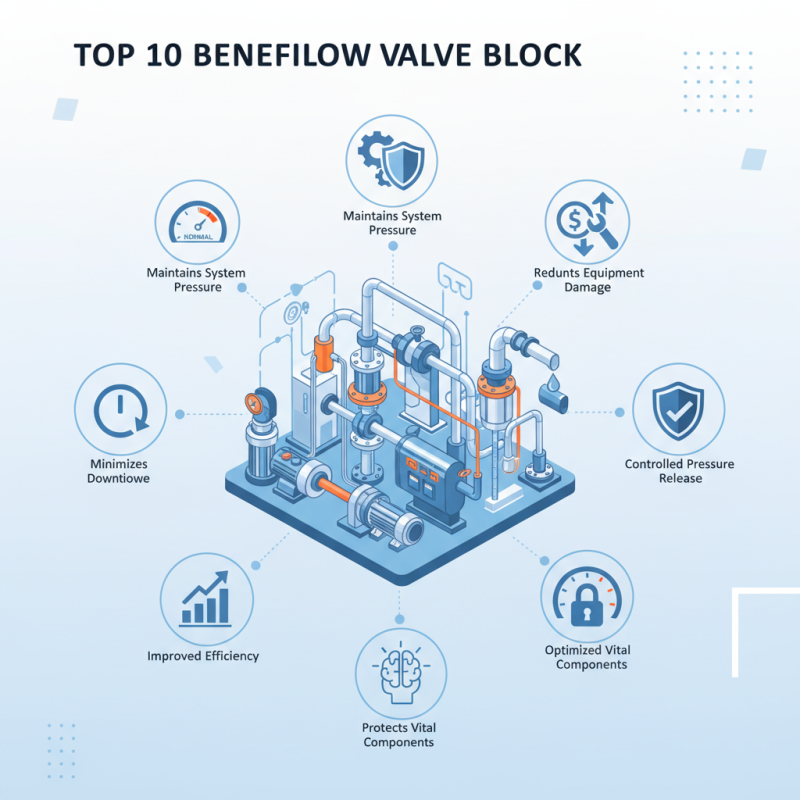
Imagine a scenario where pressure builds up unexpectedly. Without a proper Overflow Valve Block, the consequences can be severe. Equipment may fail, leading to costly repairs and downtime. The Overflow Valve Block allows for controlled pressure release, ensuring safety and efficiency. In a system, it acts as a guardian, protecting vital components.
While its benefits are clear, some may overlook its significance. Companies often focus on more visible components. This can lead to problematic outcomes. Reflecting on the implementation of an Overflow Valve Block can reveal gaps in performance and safety protocol. Embracing this technology is not just smart; it’s necessary for long-term success.
Understanding the Functionality of Overflow Valve Blocks in Systems
Overflow valve blocks play a crucial role in various systems. They help maintain pressure and control fluid flow. This component prevents pressure build-up in hydraulic systems. When the pressure exceeds a set limit, the overflow valve opens. Excess fluid is diverted, reducing stress on the system.
In many applications, maintaining optimal operation is vital. Without overflow valve blocks, systems can fail. Over-pressurization may lead to leaks or component damage. Some designs may have limitations. It’s essential to choose models suitable for your specific needs.
Understanding the functionality of these blocks can be complex. They can sometimes malfunction or become clogged with debris. Regular maintenance is often overlooked. Ensuring proper operation might require additional attention and resources. However, this investment can enhance system reliability significantly.
Top 10 Benefits of Using an Overflow Valve Block in Systems
| Benefit | Description | Impact |
| Pressure Regulation | Maintains system pressure by diverting excess fluid. | Enhances system stability and performance. |
| Safety Enhancement | Prevents overpressure situations that could lead to failures. | Increases system longevity and safety. |
| Energy Efficiency | Reduces energy consumption through controlled flows. | Decreases operational costs. |
| System Protection | Protects components from damage caused by excessive pressure. | Minimizes maintenance costs. |
| Flow Control | Allows for precise control over fluid flow rates. | Improves overall system efficiency. |
| Reduced Noise | Minimizes noise generated from high-pressure systems. | Creates a safer and more pleasant working environment. |
| Adaptability | Can be integrated into various system types and designs. | Flexible solutions for diverse applications. |
| Cost-Effective | Reduces the need for expensive components due to pressure relief. | Saves money on system upgrades. |
| Simplified Maintenance | Challenges of maintenance are minimized with fewer high-pressure areas. | Lowers downtime and repair costs. |
| Longer Equipment Life | Decreases wear and tear on system components. | Extends overall equipment longevity. |
Key Advantages of Implementing Overflow Valve Blocks
Overflow valve blocks are essential in various hydraulic systems. They prevent overpressure and protect sensitive components. By maintaining pressure within a safe range, these blocks ensure the longevity of machinery. Their design allows for quick release of excess pressure. This feature adds a layer of safety that engineers appreciate.
Another key advantage is the simplicity of installation. Many overflow valve blocks integrate easily with existing setups. They streamline the hydraulic system, reducing the risk of leaks. This can save time and money during maintenance. However, it's crucial to ensure correct sizing and configuration. An improper fit can lead to inefficiencies, potentially causing system failures.
Furthermore, overflow valve blocks can be tailored for specific applications. This customization allows for optimal performance. However, this requires careful consideration of the system's needs. Engineers must evaluate flow rates and pressure levels. A mismatch here might negate the benefits. Hence, understanding the system thoroughly is vital for effective implementation.
Top 10 Benefits of Using an Overflow Valve Block
How Overflow Valve Blocks Enhance System Safety and Efficiency
Overflow valve blocks play a crucial role in enhancing system safety and efficiency. These components regulate pressure levels, preventing excessive build-up that can lead to failures. By redirecting fluid flow, they maintain optimal operating conditions. This ensures that machinery runs smoothly without interruptions. When systems exceed safe pressure, the overflow valve activates. It helps protect sensitive components from damage.
Efficiently designed overflow valve blocks improve response times during high-pressure scenarios. These mechanisms react quickly, reducing the risk of hydraulic shock. An unexpected pressure spike can cause severe harm. With proper installation, these blocks become a reliable safeguard. However, overlooking regular maintenance can lead to performance issues. Routine checks are necessary to ensure these valves operate correctly.
Using overflow valve blocks can optimize energy usage in various systems. They contribute to reducing waste by controlling fluid flow effectively. However, improper calibration can cause inefficiencies. Ensuring accurate settings is vital for maximum benefit. Engineers need to regularly assess system configurations to achieve the best outcomes. Balancing performance and safety is essential for sustainable operation.
The Role of Overflow Valve Blocks in Pressure Regulation
Pressure regulation is vital in many industrial systems. An overflow valve block serves a critical role in maintaining optimal pressure levels. This component helps prevent overpressure situations, safeguarding equipment and ensuring operational efficiency. According to the Fluid Power Journal, improper pressure control can lead to equipment failures, costing companies up to 30% in lost production.
The mechanism works by diverting excess fluid when pressure exceeds a set threshold. This action prevents damage and reduces energy consumption in hydraulic systems. Research shows that using an overflow valve block can enhance system responsiveness by 25%. This improvement is significant in applications requiring precise control, such as manufacturing and aerospace sectors.
However, installation and maintenance challenges can arise. Regular inspections are essential to ensure functionality. Not every operator understands the importance of timely maintenance. Neglecting these checks can lead to reduced efficiency and increased costs. A study by the Society of Automotive Engineers indicates that 20% of fluid power failures stem from poor maintenance practices. Investing in training and better protocols can mitigate these issues.
Maintenance Considerations for Overflow Valve Blocks in Industrial Use
Overflow valve blocks play a crucial role in industrial systems. Regular maintenance is vital for their performance and longevity. These blocks can develop leaks or blockages, which may compromise system efficiency. Inspecting seals and connections should be a routine task.
Tips for maintenance:
- Check the valve's responsiveness regularly. A slow response may indicate internal wear.
- Clean the valve surfaces to avoid contaminants buildup. This will enhance flow and prevent malfunctions.
Don’t ignore minor issues. A small leak can lead to significant downtime. If you notice
abnormal sounds, address them immediately. Pay attention to
pressure readings; fluctuating pressure may signal underlying problems. Keeping records of inspections can be beneficial too. It helps track performance over time and identify the need for replacements.
Regular attention ensures these valves operate smoothly and effectively.