2026 Top Welding Robots for Efficient Manufacturing Solutions?
As industries strive for efficiency, Welding Robots have emerged as vital tools in manufacturing. Experts highlight the importance of these machines in boosting productivity. According to Dr. Emily Zhang, a leading authority in robotics, "Welding robots transform the way we think about production efficiency." This perspective reflects the growing reliance on automation.
Welding robots offer precision and consistency in complex tasks. They can operate around the clock, ensuring that production lines keep moving. Companies report a significant reduction in errors, which is essential for maintaining quality. Yet, with the rise of this technology comes a challenge: skilled labor shortages.
Businesses must adapt to integrate welding robots effectively. Training staff to work alongside these machines is crucial for maximizing their potential. While welding robots optimize manufacturing, the human element remains vital. A balance between automation and skilled labor is necessary for sustainable growth in the industry.
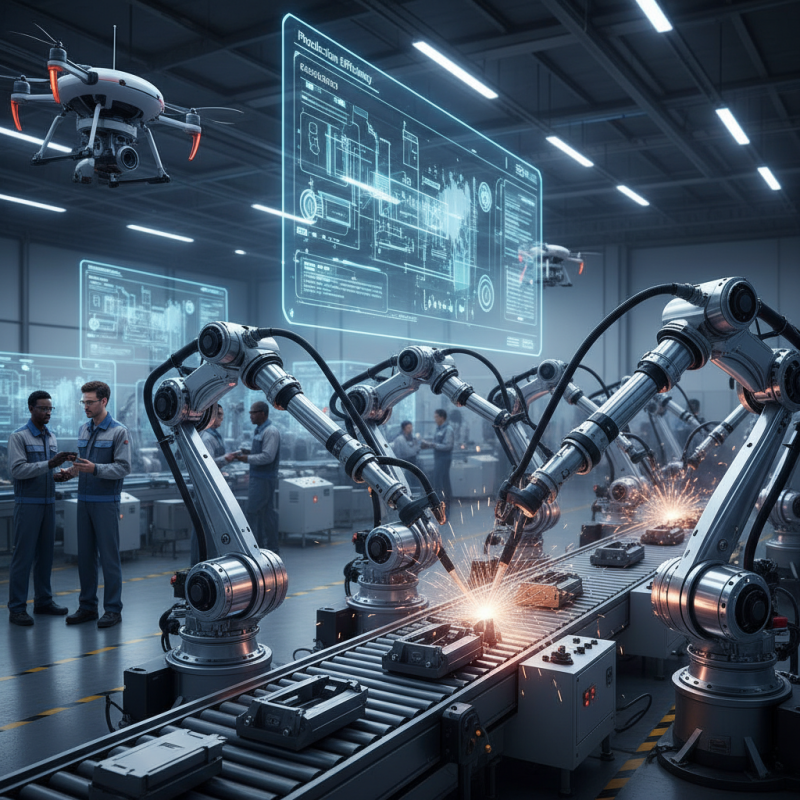
Overview of Welding Robots in Manufacturing Industry
In the manufacturing industry, welding robots are becoming essential. They enhance efficiency and precision in various applications. These machines provide consistent results, minimizing human error and improving safety. As technology evolves, more manufacturers are adopting robotic solutions. This shift not only boosts productivity but also addresses the skilled labor shortage.
Tips: Consider assessing your specific needs before investing in a welding robot. Understand the required skills for operation and maintenance. This helps in choosing the right equipment and training staff accordingly.
Robotic welding systems can operate continuously, which saves time and reduces costs. However, initial setup and programming can be complex. It's important to focus on quality assurance throughout the robotic process. This requires ongoing monitoring and evaluation of the welding outcomes. Mistakes in the programming phase can lead to poor weld quality or increased rework.
Tips: Regularly conduct performance reviews of your robotic systems. Adjustments may be necessary based on production demands and technological advances. Staying updated ensures efficiency and effectiveness in your manufacturing process.
Key Features of Top Welding Robots for Efficient Production
The world of manufacturing is transforming, and welding robots are at the forefront. These machines enhance efficiency and precision in various production environments. One significant aspect is their adaptability. Modern welding robots can handle different materials, from steel to aluminum, making them versatile for various applications.
Key features include advanced sensors and smart technology. These systems enable robots to adjust their movements in real time. This adaptability leads to higher quality welds and reduces material waste. However, implementing such technology may present challenges. Companies must invest in employee training and software integration. Without a proper understanding of these systems, efficiency gains can be hindered.
Moreover, the speed of welding robots is striking. They execute tasks at a pace no human can match. Despite this, there are concerns about over-reliance on automation. If maintenance is neglected, productivity may drop. Regular checks and servicing are essential to maintaining performance. The integration of robotics is a journey that requires ongoing assessment and adjustment.
Comparison of Leading Brands in Welding Robot Technology
As the manufacturing sector evolves, welding technology is becoming more sophisticated. The efficiency of production largely depends on the choice of welding robots. Different brands offer unique features and capabilities, influencing overall performance. Evaluating these options requires a nuanced understanding of each technology.
In the realm of welding robots, key differentiators include precision, speed, and software integration. Some robots excel in handling complex welding tasks, while others focus on speed and efficiency. Nevertheless, the learning curve for integrating new technology can pose challenges. Factories may struggle with training staff, which can delay the expected benefits of automation. It’s essential to assess both the equipment and workforce readiness.
Quality control remains a critical area for improvement. Many robots generate high-quality welds, but inconsistencies can occur. Regular maintenance and updates can mitigate these issues. Still, manufacturers often overlook the importance of ongoing training. Investing in operator skills is as crucial as the machines themselves. Balancing advanced technology and human expertise is vital for maximizing output in modern manufacturing environments.
2026 Top Welding Robots for Efficient Manufacturing Solutions
| Model | Payload Capacity (kg) | Reach (mm) | Cycle Time (s) | Precision (mm) | Power Consumption (kW) |
| Model A | 10 | 1500 | 2.0 | 0.2 | 5 |
| Model B | 15 | 1800 | 1.8 | 0.15 | 4.5 |
| Model C | 20 | 2000 | 1.5 | 0.1 | 6 |
| Model D | 25 | 2200 | 1.6 | 0.12 | 5.5 |
Applications of Welding Robots Across Different Industries
Welding robots are transforming various industries by increasing efficiency and precision. In the automotive sector, they ensure consistent weld quality on assembly lines. These robots handle repetitive tasks, allowing human workers to focus on complex operations. In construction, they are used for prefabrication of components, reducing on-site labor costs. Each application demonstrates how automation can optimize production workflows.
In the aerospace industry, welding robots join intricate components with high accuracy. This reduces the risk of human error, which is crucial in safety-sensitive environments. However, reliance on automation can lead to a skills gap among workers. Training programs are essential to bridge this gap and maintain a balance between technology and human expertise.
Manufacturers must also consider the initial investment in robotic systems. Affordable options exist, but they may compromise functionality. Striking a balance between budget and capability is vital. Real-world applications show that while welding robots enhance productivity, thoughtful integration is necessary for long-term success.
2026 Top Welding Robots for Efficient Manufacturing Solutions
Welding robots are increasingly being adopted in various industries due to their efficiency and precision. This chart illustrates the percentage adoption of welding robots across different sectors in 2026.
Future Trends in Welding Robotics for Enhanced Efficiency
Welding robotics is evolving rapidly. The future is focused on enhancing efficiency through smart technologies. Advanced sensors and AI algorithms are driving these changes. Robots now adapt to different welding environments with ease. This shift allows for precision in tasks where human error was once a concern.
Integration of machine learning is another rising trend. Robots learn from previous welds to improve future processes. This ability reduces the need for constant human oversight. However, this technology does present challenges. Dependence on data can lead to vulnerabilities, especially if systems are hacked.
Human skills remain crucial in welding. While robots increase productivity, they cannot replace the intricate understanding of skilled welders. Future training programs will need to blend robotic programming with traditional welding techniques. This marriage of technology and craftsmanship is vital for innovation. Seeking a balance could be a path forward.