10 Door Assembly Table Buying Tips for Global Buyers?

Buying a Door Assembly Table is not a simple matter of comparing prices and dimensions. Global buyers must examine workflow, load capacity, surface accuracy, safety, packaging, and after-sales support. A table that works well in a small workshop may fail in a high-volume factory. Details matter.

Door manufacturing consultant David Chen notes, “A reliable assembly table should reduce movement, protect the door surface, and make quality repeatable.” His point is practical. A stable steel frame, adjustable clamps, smooth rollers, and a replaceable worktop can prevent dents, alignment errors, and unnecessary handling. Look closely at the table in use. Can one operator position a heavy door without twisting? Are pneumatic parts protected from dust? Does the surface remain flat after months of pressure?

These questions shape the ten buying tips in this guide. They cover technical specifications, customization, supplier experience, inspection methods, delivery risks, and long-term maintenance. Buyers should request drawings, load-test information, material details, and clear warranty terms. Factory photographs help, but they are not enough.

Some choices will remain imperfect. A lower-priced table may reduce the initial budget, yet increase labor costs later. A highly customized model may fit one production line and limit future changes. Think beyond purchase day. Compare the table with your door sizes, workers, tools, floor space, and expected production volume. A careful decision begins with evidence, not attractive catalog images.
10 Door Assembly Table Buying Tips for Global Buyers?

Define Door Assembly Tables by Function, Load, and Workflow Requirements

Door Assembly Table Buying Tips for Global Buyers

Define the table by function, load, and workflow—not by surface size alone. A professional evaluation starts with the workpiece. Is the table used for frame squaring, hardware fitting, sanding, or final inspection? Each task needs different access, clamping, and surface protection. A table for lightweight interior doors may fail under solid timber panels or insulated units. Record the largest door, its weight, and the pressure applied during assembly. Do not rely on average values.

Load capacity should include the door, tools, fixtures, and operator force. Ask for both evenly distributed and point-load ratings. Check leg spacing, welded joints, leveling feet, and locking casters. A 1,000-kilogram rating means little if the top bends near a clamp. Measure working height against the team’s posture and lifting method. Small height errors become daily strain.

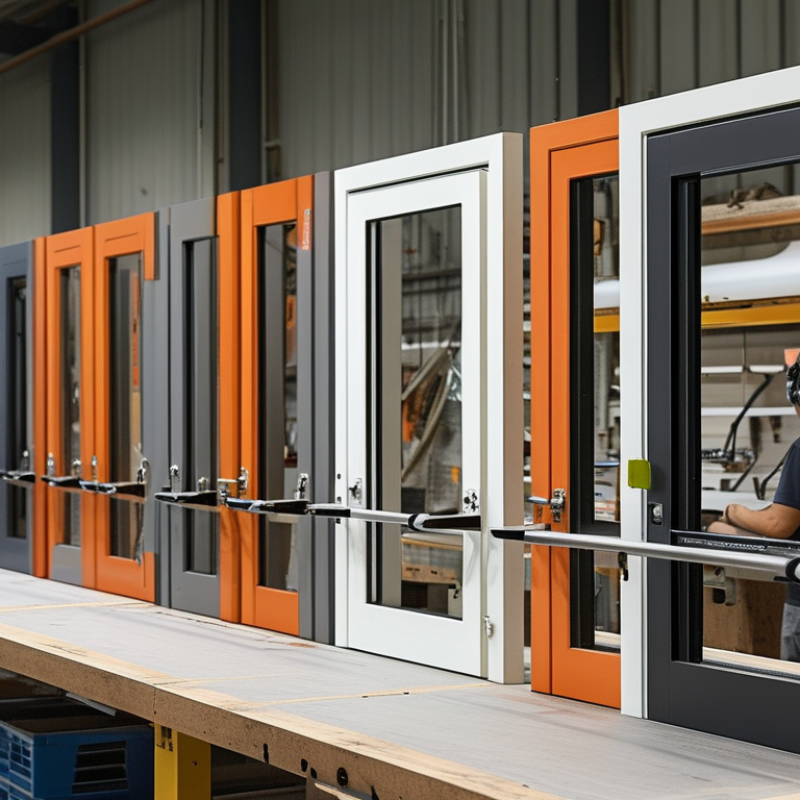
Workflow details often decide productivity. Confirm whether doors enter from one side, rotate, or move between stations. Look for clear edges, replaceable contact pads, adjustable stops, and cable-safe routing. Leave room for hinges, handles, and inspection tools. International buyers should request drawings, test data, spare-part lists, and packaging dimensions before payment. Specifications can still hide awkward access. Ask for photos of real assembly positions, not polished catalog views. Then compare the table with local floor space, power standards, and maintenance skills.

Set Size and Working Height Using ISO 11226 Ergonomic Guidance

When buying a door assembly table, set its working height around the operator, not the door alone. ISO 11226 supports evaluating static working postures, but it does not prescribe one universal table height. Measure the user’s standing elbow height while shoulders remain relaxed. The work surface should keep the forearms near a comfortable, mostly horizontal position.

Check the table with real doors, clamps, seals, and hand tools installed. A large door may force operators to reach forward, even when the tabletop height looks correct. Keep frequent tasks close to the body. Leave enough clearance for knees, feet, and material handling equipment. Adjustable legs or a powered height range can serve mixed-height teams across global facilities.

Size the surface for the largest regular door, but avoid excessive depth. Oversized tables encourage long reaches and awkward trunk positions. A practical trial uses cardboard or a sample frame before purchase. Watch shoulder lifting, wrist bending, and twisting during a ten-minute assembly cycle. Small problems become expensive habits.

One caution matters. ISO 11226 focuses on posture assessment, not productivity, load capacity, or every assembly risk. Buyers should combine ergonomic review with local safety requirements and supplier test data. A first sizing estimate may be wrong. Recheck it with shorter and taller operators before final approval.

Verify 23 kg Manual-Lifting Limits with the Revised NIOSH Equation

When buying a door assembly table, treat the 23 kg figure carefully. The Revised NIOSH Lifting Equation uses 23 kg as a load constant, not a universal manual-lifting limit. Actual recommended weight changes with reach, height, twisting, frequency, and hand coupling.

The equation is RWL = 23 kg × HM × VM × DM × AM × FM × CM. A table may support a heavy door, yet the operator still faces risk when loading it. Check the lifting distance from the floor, table height, and space around the frame. A door lifted close to the body creates less strain than one carried across a wide bench. Small handles help.

Do not stop at the catalog capacity. Ask for a working-height drawing, maximum door dimensions, and access details. A mock-up with a 23 kg test load can reveal awkward grips or blocked foot space. It may expose poor assumptions.

In one practical review, a table looked suitable until operators reached over a deep support rail. The measured load was acceptable, but the posture was not. Adjustable supports, rollers, and height controls can reduce repeated lifting. Consider how often doors move each hour, not just their maximum weight. Also check local workplace requirements, since the equation guides risk assessment rather than replacing site-specific evaluation.

10 Door Assembly Table Buying Tips for Global Buyers — Verify 23 kg Manual-Lifting Limits with the Revised NIOSH Equation

The chart shows illustrative Recommended Weight Limits (RWL) calculated with selected multipliers from the Revised NIOSH Lifting Equation. The 23 kg value is the equation’s load constant, not a universal safe lifting limit.

How to use this chart: Compare the actual door or component weight with the RWL. The Lifting Index is calculated as actual load divided by RWL; values above 1.0 indicate that the lifting demand exceeds the recommended limit under the selected conditions.

  1. Confirm the maximum door and component weight.
  2. Measure the horizontal reach from the worker’s body to the load.
  3. Check table height and the vertical hand position.
  4. Reduce twisting by providing suitable access from both sides.
  5. Review lifting frequency and task duration.
  6. Specify secure handholds or compatible gripping surfaces.
  7. Choose height adjustment for different operators and assembly stages.
  8. Verify the table’s working-load capacity and stability.
  9. Check clearance for doors, hinges, tools, and material handling equipment.
  10. Validate the final workstation with a task-specific ergonomic assessment.

Reference: CDC/NIOSH, Revised NIOSH Lifting Equation. Example calculations use a 23 kg load constant with selected horizontal, vertical, distance, asymmetry, frequency, and coupling multipliers.

Match Guards, Controls, and Risk Reviews to ISO 12100 and OSHA Rules

A door assembly table should be judged by its risk controls, not only its working height or price.

Global buyers should request a documented ISO 12100 risk assessment before approving the design. It should identify crushing points around clamps, hinges, stops, and powered tools. Guard openings must prevent hand access while preserving visibility and production access. Keep emergency access clear.

Check ten practical points:

  • fixed guards
  • adjustable guards
  • interlocked doors
  • emergency stops
  • two-hand controls
  • control reliability
  • pneumatic isolation
  • electrical protection
  • safe maintenance access
  • clear warning labels

Controls should match the assessed risk, not simply follow a standard layout. OSHA machine-guarding expectations can guide buyers supplying equipment to the United States. Other locations may require additional local rules. Confirm the final requirements with a qualified safety professional.

During a factory review, test the table with gloves, panels, and normal operator movements. A guard that works empty may obstruct a real door panel. Observe restart behavior after power loss. Verify that stored air cannot move a clamp unexpectedly.

Ask for wiring diagrams, inspection records, and training instructions. Risk reviews are often too theoretical. We once found a reachable pinch point beside a perfectly documented guard, so physical observation still matters. Suppliers should correct such findings before shipment and record every change.

Compare Quality, Certification, Warranty, and Total Cost Across Suppliers

10 Door Assembly Table Buying Tips for Global Buyers

When comparing door assembly tables, inspect quality beyond polished photographs. Check frame rigidity, weld consistency, surface flatness, and clamping repeatability. Ask for measured tolerances, not broad claims. A table that shifts during assembly can create uneven gaps, rework, and frustrated operators. Request a sample inspection report and a short video showing adjustment under load. Small details matter.

Certification needs careful review. Confirm the certificate covers the actual model, electrical system, and destination market. Check the issuing body, validity date, test scope, and machine serial range. Do not accept a logo copied into a brochure. Ask for manuals, risk assessments, wiring diagrams, and language options. Local compliance may require extra guarding or documentation. This is often missed.

Warranty terms can hide the real cost. Compare coverage periods, labor limits, spare-part exclusions, response times, and remote support. Ask who pays for replacement shipping. A two-year warranty may offer little value if critical parts arrive after six weeks. Compare total cost, including freight, duties, installation, training, calibration, energy use, consumables, and downtime. One low quotation once looked attractive, but missing installation support changed the calculation. I still review that mistake. Supplier references should include similar door sizes and production volumes. A factory audit can reveal poor storage, rushed testing, or weak quality records. Allow room for uncertainty. Supplier promises are useful, but documented evidence is safer.

Search this website