How to Choose the Right Jamb Doors for Your Project?
Choosing the right Jamb Doors for your project can be a daunting task. According to industry expert Laura Whitman, “Selecting the perfect Jamb Doors is crucial for both style and functionality.” Her insights echo the importance of thoughtful consideration in your selection process.
Jamb Doors play a vital role in any construction project, whether it's for residential or commercial use. They influence both the aesthetic and structural integrity of a space. The variety of styles, materials, and sizes available can overwhelm anyone. It's essential to focus on what best suits your needs and space requirements.
However, many overlook important details. For instance, not every Jamb Door is suitable for every climate. Choosing the wrong material might lead to issues like warping or damage. Additionally, aesthetic choices must align with the overall design theme of your project. Reflecting on these aspects can make a significant difference in your results. Aim for a balance between style and practicality for the best outcome.
Understanding Jamb Doors: Types and Purpose
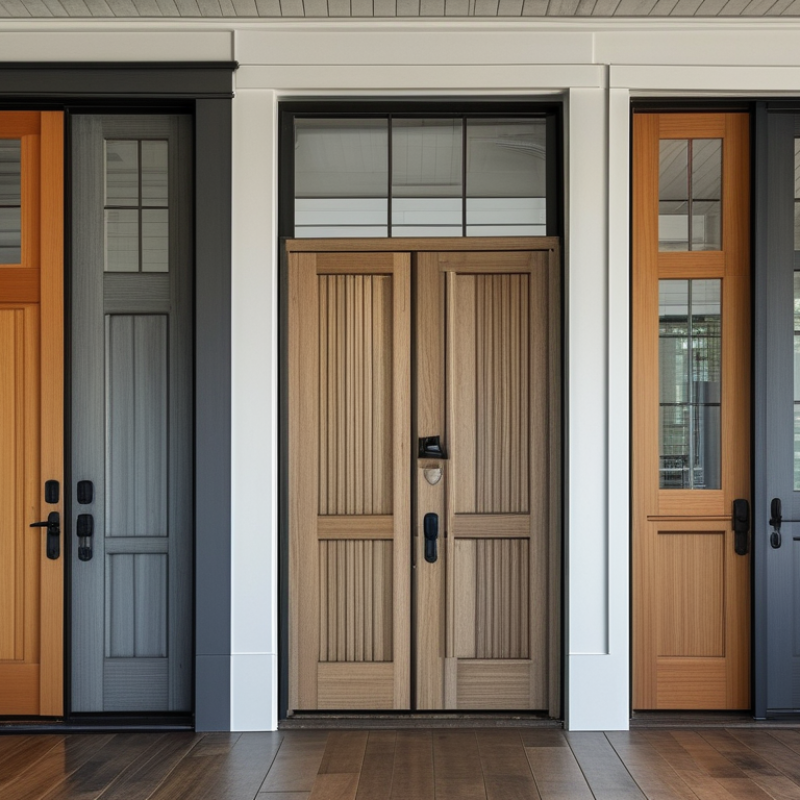
Jamb doors play a crucial role in both functionality and aesthetics of a space. They serve as the frame that supports the door itself, providing stability and structure. Understanding the types of jamb doors available can help you make an informed decision for your project. Traditional flat jambs are simple and offer a clean look. They are ideal for modern spaces and work well in residential areas.
On the other hand, more intricate options like rounded or completed jambs can enhance the character of a home. These styles often require more installation effort and skill. This complexity can be a stumbling block if you're not prepared for it. Knowing the purpose behind each type can guide you toward the right choice. For example, if energy efficiency is a concern, choosing insulated jambs may be worthwhile.
Beyond style and function, consider the material of your jamb doors. Wood, fiberglass, and steel each offer different benefits. Wooden jambs may provide charm and warmth, while steel can offer durability. Reflect on what truly fits your overall vision and budget. Choosing the right jamb door is not just about the present; it influences long-term satisfaction.
Evaluating Material Options for Jamb Doors
When selecting jamb doors for your project, material choice plays a crucial role. Wood remains a popular option, known for its durability and aesthetic appeal. According to industry data, approximately 45% of architects prefer wood because of its customization capabilities. However, wood can be susceptible to moisture, which may lead to warping over time.
Steel doors present an alternative that offers enhanced security and low maintenance. Reports indicate that steel jamb doors can last up to three times longer than wooden ones. Though they can lack the warmth of wood, advancements in technology allow for textured finishes that mimic natural wood grain. This versatility makes them a practical choice for commercial settings.
Fiberglass is another option that has gained traction. It resists denting, rust, and fading. A survey revealed that around 30% of builders are now choosing fiberglass for its energy efficiency and eco-friendly credentials. The downside is that fiberglass can be more expensive upfront, raising questions about long-term investment. Evaluating these material options helps ensure the right choice aligns with both function and design goals.
Measuring Your Space for the Perfect Fit
When selecting jamb doors for your project, proper measurements are crucial. According to a study by the National Association of Home Builders, improper sizing can lead to significant delays and extra costs. Accurate measurements ensure that your doors fit seamlessly into your space, enhancing both aesthetics and functionality.
Start by measuring the width and height of the door opening. A tape measure works best for this task. Be mindful of the wall's thickness and any trim that might affect the door's fit. Do not overlook the floor level; uneven surfaces can complicate installations. At least 75% of homeowners overlook these details, leading to miscalculations.
Consider the space around the doorway as well. A door that is too large can restrict movement and make the area feel cramped. Conversely, a door that is too small can disrupt the flow. If your measurements aren't precise, the door may require adjustments. Such imperfections can lead to a frustrating installation process and ultimately diminish the overall appeal of your project. Evaluating your space carefully is a step that can save time and ensure success.
Considering Hardware and Accessories for Jamb Doors
Choosing the right hardware and accessories for jamb doors can significantly enhance both functionality and aesthetics. When selecting door hinges, consider the size and weight of your door. Heavy doors require robust hinges. A mismatched hinge can cause wear and tear over time. Different finishes can also affect the overall look. Stick to a consistent style that complements your home's decor.
Locksets play a crucial role in door security and ease of use. Choose a lockset that meets your needs—whether for visual appeal or security features. Sometimes, the safest lock isn’t the most stylish. Don’t forget about door stops. They prevent damage to walls and doors, but many overlook their importance. A sturdy door stop can save you money on repairs down the line.
Beyond the hardware, the choice of accessories matters. Consider decorative elements like rosettes or backplates. They can elevate a simple door into a design statement. However, be cautious. Overly ornate pieces can clash with minimalist architecture. Always weigh the functionality against aesthetic value, and think critically about what suits your space best. This careful alignment can transform not just the door but the entire room.
Installation Tips for Jamb Doors: A Step-by-Step Guide
Installing jamb doors can significantly enhance the aesthetics and functionality of your space. However, achieving a flawless installation requires attention to detail. Start by measuring the door frame accurately. Miscalculations can lead to gaps or improper alignment. Make sure you have all necessary tools before you begin. A level and a square are essential for proper fitting.
When setting the jamb in place, ensure it’s plumb and square. This step is critical for the door to operate smoothly. If the jamb is not aligned properly, it can cause issues with the door closing. Adjust with shims as needed; they provide support and help maintain alignment.
Another important aspect is securing the jamb to the wall. Use screws to ensure a firm hold. Over-tightening can lead to warping, so maintain a balance. Regularly check your progress. If the door does not fit well, don’t hesitate to make adjustments. It’s better to take your time now than deal with issues later. Each step matters in achieving a correctly installed jamb door.